

markdown:
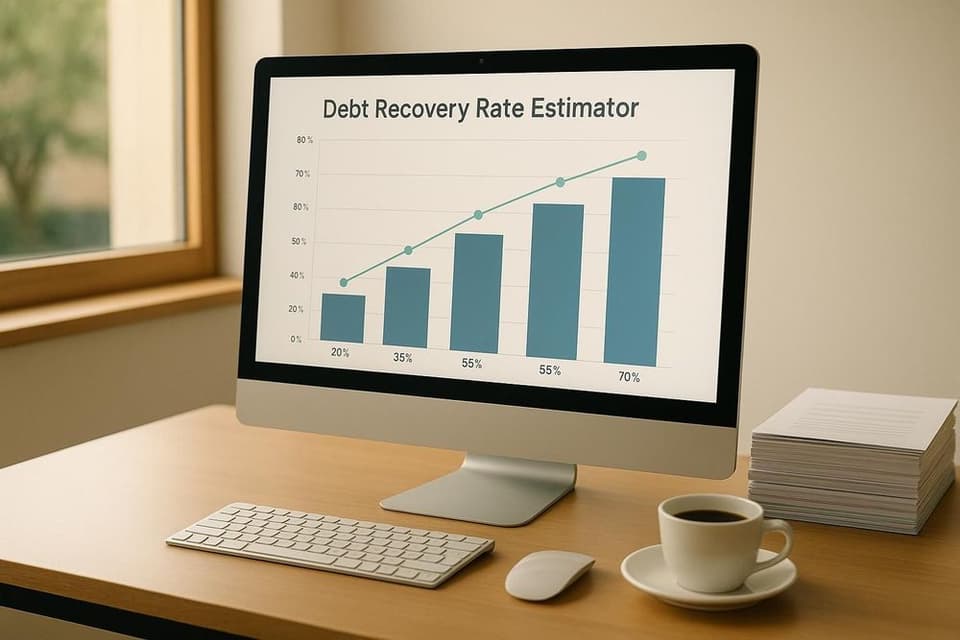
Unlock Insights with a Debt Recovery Rate Estimator
If you’re in the debt collection or investment game, knowing the potential return on a portfolio is everything. A tool designed to predict recovery percentages can be your secret weapon, offering clarity on what to expect from overdue accounts. Whether you’re managing credit card balances, medical bills, or student loans, understanding the likelihood of repayment shapes smarter decisions.
Why Predicting Recovery Matters
Every debt portfolio tells a different story. Factors like the age of the debt, the type of obligation, and the debtor’s financial profile all weigh in. For instance, a batch of recent defaults might show more promise than one lingering for years. By using a specialized calculator, you can input these variables and see how they nudge the numbers. It’s not just about raw data—it’s about turning those stats into actionable plans. Agencies can prioritize high-potential accounts, while investors can assess risk before buying debt bundles.
Beyond Guesswork
Relying on gut feelings or outdated averages won’t cut it in today’s market. A tailored estimation tool bridges that gap, blending historical trends with specific portfolio traits. Curious about your own numbers? Plug them in and see the difference data makes.
FAQs
How accurate is the Debt Recovery Rate Estimator?
Our tool provides a solid estimate based on the data you input and industry-standard adjustment factors. It starts with your historical recovery rate, then tweaks it based on things like credit scores and debt type. While it’s not a crystal ball—since real-world results can vary due to unforeseen debtor behavior or economic shifts—it’s a reliable starting point for planning. Think of it as a way to model scenarios and set realistic expectations for your portfolio.
What kind of debt types can I analyze with this tool?
You can evaluate a wide range of debt types, including credit card balances, medical bills, student loans, and more. Each type has a unique risk profile baked into our calculations—for instance, credit card debt often recovers at a slightly lower rate than student loans due to differing repayment behaviors. Just select the relevant category when entering your data, and we’ll adjust the estimate accordingly. If you’ve got a niche debt type, reach out, and we can help refine the inputs!
Why does time since default affect the recovery rate?
The longer a debt has been in default, the harder it typically is to collect. That’s why our tool reduces the estimated recovery rate by about 1% for every six months past default. Fresh defaults often have a higher chance of repayment since the debtor might still be reachable or motivated, but as time drags on, contact fades, and priorities shift. This adjustment helps you gauge how urgency—or lack thereof—plays into your collection strategy.
